
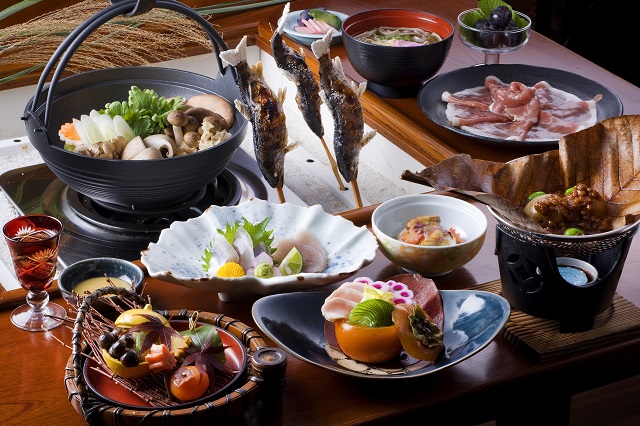
Japanese cuisine, known as washoku, is deeply interwoven with nature’s seasonal rhythms. Rather than relying on imported or preserved ingredients, it celebrates the freshness of what’s locally available during each specific time of year. This tradition, called shun, emphasizes consuming foods at their prime—when they’re most flavorful and nutritionally rich—offering a harmonious blend of taste, cultural reverence, and environmental mindfulness. Whether in restaurants or home kitchens, meals crafted in sync with the changing seasons pay homage to the land, the weather, and centuries of culinary tradition.
The Cultural Significance of Seasons
In Japan, seasonal awareness permeates all aspects of life—not just food. Traditional arts, literature, and annual festivals are often built around seasonal themes. Spring’s cherry blossoms, autumn’s vibrant leaves, and winter’s quiet snowfall are more than just scenery; they influence how people cook, eat, and celebrate. During Hanami, for example, delicately crafted sakura sweets take center stage, while steaming hot pots are a wintertime staple, offering communal warmth during the colder months.
Spring: A Celebration of New Life
As the earth begins to thaw and bloom, spring cuisine in Japan turns to gentle, fresh ingredients. Bamboo shoots (takenoko), cherry blossoms (sakura), and rapeseed greens (nanohana) are widely used to mark the season. Takenoko gohan, rice cooked with tender bamboo shoots, and sakura mochi, wrapped in salted cherry leaves, are examples of dishes that capture the delicate and fleeting beauty of springtime.
Summer: Refreshment in the Heat
Japan’s steamy summers call for meals that cool and hydrate. Light ingredients like cucumbers, shiso leaves, and edamame dominate the table. Dishes such as chilled somen noodles or hiyashi chūka (cold ramen with colorful toppings) offer relief from the heat. Pickled plums (umeboshi), with their tangy, salty flavor, provide both a refreshment and a natural preservative effect, making them a popular summer treat.
Autumn: The Bounty of Harvest
Fall in Japan brings an abundance of earthy, comforting flavors. Seasonal produce like Japanese pumpkin (kabocha), chestnuts (kuri), and the prized matsutake mushroom make this a time of satisfying, nourishing meals. The air cools, and the food grows richer—steamed matsutake paired with rice or roasted chestnuts served warm are classic autumn pleasures that signal gratitude for the year’s harvest.
Winter: Nourishing and Hearty
Colder weather inspires robust dishes designed to warm the body and soul. Winter meals often feature daikon radish, citrusy yuzu, and a medley of root vegetables simmered together in hearty broths. Hot pot meals (nabe) are particularly popular, offering a shared, comforting dining experience. Mochi also plays a key role in winter, especially in celebratory dishes like ozoni during New Year festivities, where its chewy texture and symbolism of prosperity are enjoyed by all.
A Natural Path to Sustainability
Seasonal cooking isn’t just a culinary choice—it’s a sustainable one. By relying on locally available produce at the peak of its natural cycle, Japanese cuisine inherently reduces food waste and carbon emissions from transport. This environmentally conscious approach reinforces a respectful relationship with the land and supports local farming communities.
Seasonality in Japanese cooking is more than a method—it’s a reflection of philosophy, history, and a deep respect for nature’s ever-changing gifts.
Content provided by Koi Sushi, offering premium all you can eat sushi in Chicago

