
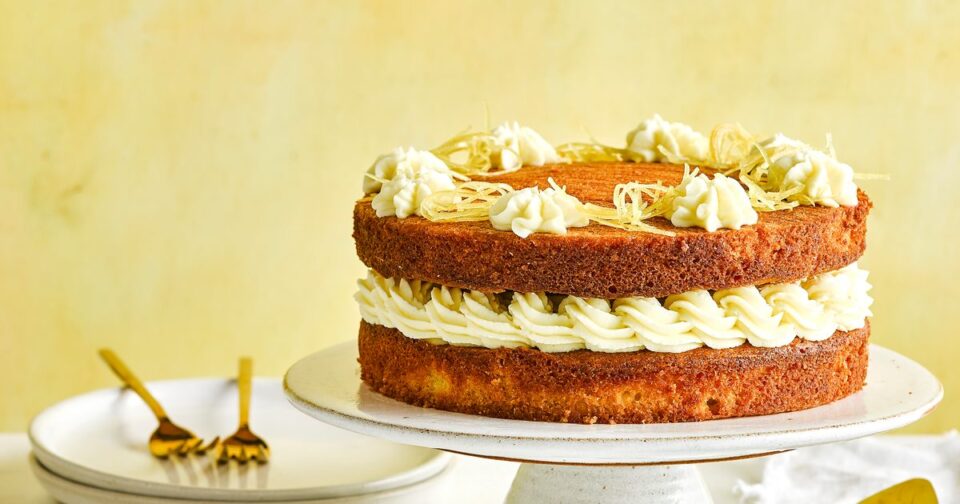
Bakeries and cakes are two of the most cherished aspects of culinary culture, weaving together history, creativity, and the simple joys of life. Whether it’s the comforting smell of freshly baked bread in the morning or the lavish elegance of a well-crafted cake, these edible creations evoke a sense of warmth, celebration, and indulgence. Across the globe, bakeries serve as sanctuaries where flavors blend harmoniously, where tradition meets innovation, and where the art of baking is practiced with both passion and precision. In this article, we will delve into the intriguing history of bakeries, the cultural significance of cakes, and how the evolution of baking has influenced the world we know today.
The History of Bakeries: From Ancient Grains to Modern Treats
The roots of baking stretch far back in history, with evidence suggesting that humans have been baking bread for thousands of years. Ancient Egyptians, often credited with pioneering the art of baking, were among the first to cultivate grains and discover how to ferment dough using wild yeast. The idea of baking in ovens, which was perfected in this era, laid the foundation for what would eventually evolve into the modern bakery. The ancient Greeks and Romans expanded upon this concept, refining baking techniques and introducing a variety of baked goods into their diets.
As centuries passed, bakeries became an essential part of urban life. In medieval Europe, for example, bakeries were ubiquitous, often found in every town or village. Bread was a staple food for both the rich and the poor, and the local bakery played a vital role in feeding entire communities. The introduction of sugar, along with the expansion of trade routes during the Renaissance, further transformed the landscape of baking. Sweet treats like pastries, cakes, and pies became more widely available and began to evolve into an art form.
The industrial revolution brought new technologies and mass production to the world of baking, making bread and cakes more affordable and accessible than ever before. At the same time, it marked the rise of the modern bakery as we know it today—a space where both everyday staples and celebratory confections can be found side by side.
Cakes: The Quintessential Symbol of Celebration
No other baked good evokes as much joy and excitement as a cake. Cakes have long been associated with special occasions, from birthdays to weddings, anniversaries, and everything in between. The symbolic connection between cakes and celebrations is rooted in both cultural and historical traditions. Cakes, especially multi-layered ones adorned with frosting and intricate designs, symbolize wealth, status, and abundance. For centuries, the making of a cake was a labor-intensive process, often reserved for the most significant events in a person’s life.
The concept of a cake has evolved considerably over time. Early cakes were simple, often made with ingredients like honey, nuts, and fruit, and were more akin to bread than the elaborate desserts we enjoy today. The introduction of refined sugar and the availability of flour from the 16th century onward allowed cakes to be made sweeter, lighter, and more decadent. In the 18th century, cakes began to take on more elaborate forms. The English, for instance, perfected fruit cakes that were spiced and soaked in alcohol, a tradition that remains popular today, particularly during the holiday season.
The 19th century saw the rise of the wedding cake as a centerpiece of matrimonial celebrations. The Victorian era, with its obsession for grandeur and elegance, led to cakes being more ornate and multifaceted. The white wedding cake, in particular, symbolized purity and sophistication, with intricate layers of fondant and royal icing decorating the delicate sponge beneath. These beautiful creations were often the highlight of the wedding feast, signifying the couple’s new beginning and shared future.
With the invention of baking powder in the 19th century, cakes became lighter and fluffier, leading to the cakes we know and love today. The innovation of new frosting techniques, such as buttercream and ganache, further transformed the cake into an artistic canvas, allowing bakers to express their creativity while delighting the senses with an array of flavors.
Modern Bakeries: A Fusion of Tradition and Innovation
Today, the bakery is a space where tradition and innovation coexist harmoniously. In artisan bakeries, you can find sourdough bread made with ancient techniques, while in high-end cake shops, you might encounter cakes that are not only delicious but visually stunning works of art. The rise of social media has played a significant role in the transformation of cakes into visual masterpieces, with bakers experimenting with new textures, color palettes, and themes. Instagram-worthy cakes adorned with intricate piping, edible flowers, and unique flavor combinations have become a new trend, making cakes as much about aesthetics as they are about taste.
Moreover, modern bakeries are embracing dietary preferences and restrictions, offering gluten-free, dairy-free, vegan, and low-sugar options to cater to a diverse clientele. The demand for healthier alternatives has prompted many bakeries to adapt traditional recipes, incorporating natural sweeteners like honey, maple syrup, and agave, as well as organic ingredients and superfoods. This shift reflects the growing awareness of nutrition and wellness in today’s food culture, without sacrificing flavor or indulgence.
Bakeries have also become community hubs in many places, offering more than just food. They are gathering spaces where people connect, share stories, and indulge in a moment of comfort. The café-style bakery, often serving coffee alongside fresh pastries and cakes, has become a beloved part of modern life, inviting patrons to slow down and savor the simple pleasures of a well-baked treat. In these spaces, the scent of fresh bread and the sight of beautifully decorated cakes evoke a sense of nostalgia, transporting us to simpler times even in the hustle and bustle of the present.
The Art and Science of Cake Making
Baking a cake is both an art and a science. While the process may seem straightforward, achieving the perfect cake requires skill, patience, and an understanding of ingredients. The choice of flour, the amount of sugar, the type of fat used, and even the temperature at which the cake is baked all play a crucial role in determining the final result.
In recent years, the emphasis on cake-making as an artistic practice has gained momentum. Cake decorators now train as professionals, learning techniques such as fondant covering, sugar crafting, and airbrushing to create cakes that are as visually spectacular as they are delicious. The skill required to craft intricate designs has elevated cake-making into a respected art form, one that combines both technical proficiency and creative expression.
Conclusion: A Timeless Love Affair with Baking and Cake
The history of bakeries and cakes is a story of innovation, culture, and human connection. From the humble origins of bread to the elaborate, multi-layered cakes of today, bakeries have played an essential role in the fabric of society, providing nourishment, comfort, and joy. Whether it’s a freshly baked loaf of bread or a stunning wedding cake, these baked goods symbolize the best of what food has to offer: creativity, craftsmanship, and a deep connection to the moments we celebrate and the memories we cherish. So, the next time you visit a bakery or indulge in a slice of cake, remember that you’re partaking in a centuries-old tradition that continues to evolve, delight, and inspire.
