
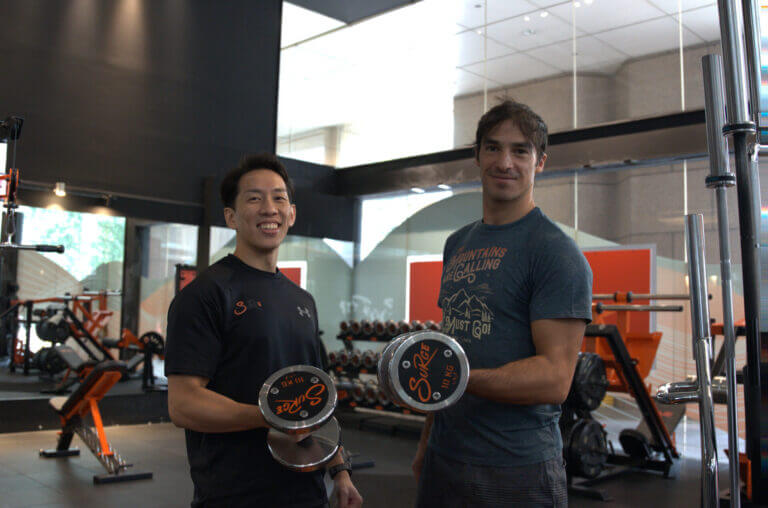
A client who consistently loses energy halfway through training may not simply need more motivation. An experienced personal gym trainer singapore clients consult will examine session design, meal timing, hydration, sleep, work stress and exercise pacing before deciding how to respond.
The pattern matters. One difficult session after a late night is different from a repeated decline at approximately the same point each week. Consistent timing provides clues about whether the problem comes from fuel availability, accumulated fatigue or the structure of the workout itself.
Define What “Low Energy” Means
Clients use the phrase in different ways. It may describe sleepiness, heavy legs, dizziness, loss of concentration, breathlessness or reduced willingness to continue.
These experiences do not have the same cause. A trainer should ask what the client feels, when it begins and whether any other symptoms appear.
Dizziness, faintness, chest discomfort or unusual shortness of breath should not be treated as ordinary exercise fatigue. Training may need to stop, with appropriate medical assessment advised depending on the situation.
Check Whether the Session Is Front-Loaded
Some programmes place too much demanding work at the beginning. A long warm-up, multiple activation drills and several high-volume compound exercises can consume energy before the second half begins.
The trainer should examine how many challenging sets occur before the drop. Rest periods and transition time also matter.
If the client performs every early set close to failure, reduced performance later is predictable. The solution may be better load selection and exercise order rather than additional food.
Look at the Meal Before Training
Meal timing is often relevant, particularly for clients training after work. Lunch may have been six or seven hours earlier, with only coffee consumed since then.
A large meal immediately before exercise can create a different problem. Digestion may cause heaviness and discomfort even when total energy intake is adequate.
The trainer can help the client identify a repeatable pre-training option. The exact choice depends on tolerance and timing, but a modest serving of easily digested carbohydrate with some protein often works better than arriving either fasted unintentionally or overly full.
Consider Singapore’s Working-Day Pattern
Long commutes, late meetings and irregular meal breaks can disrupt training readiness. A session scheduled for 7.30pm may depend heavily on what happened during the afternoon.
Heat and humidity can also increase fluid loss before the client reaches the gym. Someone who has walked outdoors, travelled on crowded public transport or worked at multiple locations may begin the session less hydrated than expected.
The trainer should consider the whole day, not only the hour inside the gym.
Hydration Is Not Just Water During the Workout
Drinking a large bottle after training starts may not immediately correct low fluid intake across the day. It can also make the client feel uncomfortable during movement.
A more useful approach is regular fluid intake before the session, with additional water during training according to thirst, duration and sweat rate.
Electrolyte products are not necessary for every ordinary workout. They may be more relevant for longer sessions, heavy sweating or multiple bouts of activity, but they should not distract from basic hydration habits.
Caffeine Can Mask Poor Readiness
Coffee or an energy drink may improve alertness temporarily. It can also conceal inadequate sleep and encourage the client to begin the session too aggressively.
If energy repeatedly falls after an early caffeine-driven peak, the trainer should look beyond the stimulant. Timing, dose and the client’s usual intake all matter.
Late caffeine can also disrupt sleep, creating a cycle in which the next day requires more caffeine to overcome the previous night’s reduced recovery.
Observe Exercise-Specific Fatigue
If energy drops only after a particular exercise, the problem may be local rather than general. High-repetition leg work can create a strong systemic feeling of fatigue even when the client has adequate fuel.
The trainer can compare sessions. Does the decline occur after heavy squats, intervals or circuits? Does it happen when rest periods are shortened?
Changing the sequence or reducing the density of one block may preserve performance across the remainder of the workout.
Breathing and Pacing May Be the Limiting Factors
Some clients rush early repetitions and hold their breath unnecessarily. Heart rate rises quickly, and the session feels harder than the load alone would predict.
The trainer may extend rest periods, control tempo or teach the client how to reset breathing between repetitions. These changes often improve performance without reducing the training quality.
Consistent pacing is especially important in mixed sessions containing both strength and cardiovascular work. Treating every exercise as a race can create an avoidable mid-session crash.
Review Sleep and Stress Together
A client may spend enough hours in bed but still sleep poorly because of late work, travel, alcohol or interrupted rest. Mental stress can also increase perceived effort during training.
The trainer does not need to diagnose the cause of poor sleep. The practical responsibility is to recognise when recovery is reduced and adjust training demand.
On a low-readiness day, the session might retain the main movements while reducing total volume or avoiding repeated sets near failure.
Use a Short Tracking Period
Memory can be unreliable. A simple record across two or three weeks may reveal the pattern more clearly.
The client can note training time, previous meal, approximate sleep, starting energy and the point at which performance falls. This does not need to become detailed calorie tracking.
The aim is to identify repeatable relationships. If sessions are consistently better after a particular afternoon snack or longer lunch-to-training interval, the client has a practical adjustment to test.
Coordinate Nutrition With the Programme
Nutrition advice should match the session. A short technique-focused workout does not have the same fuelling demands as a high-volume leg session followed by intervals.
At True Fitness Singapore, personal training can help connect session structure with realistic preparation habits. The coach can also adjust the programme when work or meal timing makes the original plan impractical.
Where a client has medical conditions, persistent unexplained fatigue or complex dietary needs, input from an appropriately qualified healthcare or nutrition professional may be necessary.
Fix the Pattern, Not Just the Bad Session
A sugary drink may help someone complete one workout, but it does not explain why energy fails at the same point every week.
The trainer should examine the recurring sequence: how the client arrives, how the first half is paced, what was eaten, how recovery has been and which exercise precedes the drop.
Once the likely cause is identified, one variable can be changed and monitored. This turns a vague energy complaint into a practical coaching decision and helps the client train more consistently.
