
There’s a reason kefir has stuck around in Australian kitchens long after other health trends have come and gone: it fits into a routine rather than demanding one be built around it. A batch takes about a day, needs no special equipment beyond a jar, and slots into a morning smoothie or an evening wind-down just as easily. This guide is less about the biology of fermentation and more about the practical side — how to actually build kefir into daily life without it becoming another abandoned health kick.
Why Kefir Suits a Routine Better Than Most Ferments
Compare kefir to almost any other home ferment and the appeal becomes obvious. Kombucha needs one to three weeks per batch. Sauerkraut needs patience measured in weeks too, plus careful attention to keeping vegetables submerged. Kefir, by contrast, is typically ready within 24 hours, using nothing more complicated than milk (or sugar water, for the dairy-free version) and a jar left on the bench.
This short cycle is what makes kefir realistic as a daily habit rather than an occasional project. Once the rhythm is established, strain in the morning, feed the grains, leave the jar out, strain again the next day — it becomes closer to a small daily task than a hobby requiring ongoing attention and planning.
Sourcing Kefir Cultures and Building Your First Batch
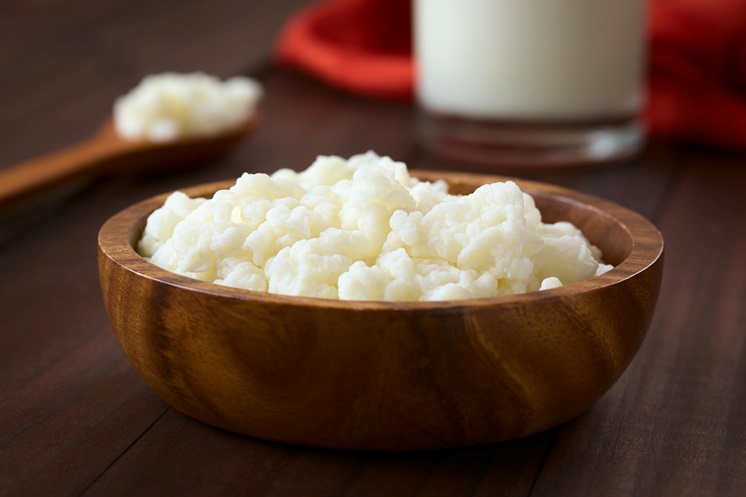
Everything starts with a living kefir culture — small, irregular clusters of bacteria and yeast that ferment milk into the tangy, slightly effervescent drink most people picture when they hear the word kefir. Unlike single-use dried starter sachets, live kefir grains are reusable indefinitely with basic care, and they actually multiply over successive batches, which is why so many home fermenters end up with more grains than they know what to do with within a few months.
For a first attempt, a proper kefir kit takes most of the guesswork out of the process. A typical kit bundles live grains with a suitable jar and a non-metal strainer (kefir grains can react poorly to prolonged contact with reactive metals like aluminium), along with basic guidance on grain-to-milk ratios for the first few attempts.
Fitting Kefir into a Morning or Evening Routine
The practical question most people actually have isn’t “how does fermentation work” — it’s “where does this fit in my day.” Kefir tends to slot into one of two routines particularly well.
For a morning routine, straining the previous day’s batch first thing means fresh kefir is ready to blend into a smoothie alongside fruit, oats, or a scoop of protein powder before the day gets busy. The straining and re-feeding process takes only a minute or two once it becomes habitual, similar to the small daily ritual of feeding a sourdough starter.
For an evening routine, some people prefer straining kefir before bed and leaving it to chill in the fridge overnight, ready to drink cold the next morning without any extra preparation. Either approach works — the fermentation itself doesn’t care what time of day it happens, only that the grains get fresh milk on a reasonably consistent schedule.
Water Kefir: The Dairy-Free Alternative Worth Knowing About
Anyone avoiding dairy doesn’t need to miss out on the kefir habit. Water kefir grains ferment in sugar water rather than milk, producing a lighter, fizzier drink that pairs well with a slice of citrus, a few berries, or fresh ginger during the fermentation itself for natural flavouring.
Water kefir grains look noticeably different from their dairy counterparts — more translucent and crystalline, rather than the softer, curd-like appearance of milk kefir grains — and the two cultures aren’t interchangeable, since each has adapted specifically to its own environment over many generations of use. For anyone building a dairy-free routine, water kefir offers essentially the same daily rhythm as milk kefir, just with a different base liquid and a noticeably different flavour profile.
Where Kefir Fits Within Australia’s Broader Fermentation Habit
Kefir is one part of a much larger shift happening across Australian kitchens. Fermented foods Australia has taken to over recent years — sauerkraut, kimchi, kombucha, and cultured vegetables among them — reflect a broader appetite for foods that are minimally processed, rich in live cultures, and made using techniques that predate modern refrigeration by centuries.
What sets kefir apart within that wider movement is accessibility. Someone intimidated by the multi-week patience a kombucha SCOBY demands, or put off by the precise salt ratios vegetable fermentation requires, often finds kefir considerably less daunting as a starting point, largely because the feedback loop is so much shorter. A mistake in a kefir batch costs a day, not weeks.
Troubleshooting the Early Days of a New Routine
New kefir routines rarely go perfectly from day one, and knowing what’s normal helps avoid giving up too early. A first batch or two after receiving live grains often ferments more slowly than expected, since the culture is typically adjusting after transit or a period of dormant storage. Activity usually builds steadily over the first week as the grains settle into their new environment.
Kefir that separates into visible curds with a thin, watery liquid on top usually just means the ferment ran slightly longer than ideal — not a failure, simply a sign to strain a touch earlier next time for a smoother, more uniform texture. A noticeably yeasty or faintly alcoholic taste suggests warmer conditions sped up yeast activity relative to bacterial activity, which a shorter fermentation window or a cooler spot on the bench usually corrects.
The habit-forming part of this process is really just paying attention for the first week or two. Once the general rhythm of a particular kitchen’s temperature and timing becomes familiar, most of the early troubleshooting stops being necessary at all.
Keeping a Kefir Habit Going Long-Term
The single biggest reason people abandon a kefir routine isn’t difficulty — it’s simply forgetting to feed the grains for a few days, which stresses the culture and can require a batch or two to recover. Building a simple visual reminder, like keeping the jar somewhere genuinely visible on the kitchen bench rather than tucked in a cupboard, solves most of this problem outright.
For anyone planning a holiday or a busy stretch where daily feeding isn’t realistic, kefir grains can be slowed significantly by refrigeration, buying a week or two of breathing room without requiring daily attention. Longer breaks are better handled by dehydrating the grains for storage, which pauses activity almost entirely until they’re rehydrated and fed again.
Expanding the Kit as Confidence Grows
Once a kefir routine feels established, many people naturally look to expand into other ferments using much of the same basic equipment. A set of proper fermentation jars — designed with weights to keep vegetables submerged under brine — is a common next step for anyone wanting to try sauerkraut, kimchi, or pickled vegetables once the daily kefir rhythm no longer feels like a chore.
The skills genuinely do transfer. Understanding how temperature affects fermentation speed, recognising the difference between a healthy tang and a sign something has gone wrong, and simply getting comfortable with the idea of live cultures living on the kitchen bench all make the jump to a second ferment considerably less intimidating than the first one felt.
Frequently Asked Questions
How much kefir should I drink daily to build a routine around it?
There’s no strict rule, though many people start with 100–200ml daily and adjust from there based on personal tolerance and taste. Building the habit matters more initially than the exact serving size.
What happens if I forget to feed my kefir grains for a few days?
A missed day or two generally isn’t a major problem, though the grains may need an extra batch or two to fully recover their usual activity level. Refrigerating the grains during any anticipated gap slows their metabolism and reduces the risk of over-fermentation or starvation.
Can I flavour kefir without disrupting the fermentation process?
Adding fruit, vanilla, or spices after straining — rather than during the primary fermentation — keeps the process predictable and avoids introducing anything that might interfere with the grains themselves.
Is it normal for kefir to taste different depending on the season?
Yes. Warmer ambient temperatures speed up fermentation and often produce a slightly more yeasty or fizzy result, while cooler months slow things down and tend to produce a milder, creamier batch. Adjusting fermentation time slightly across seasons helps keep the flavour consistent.
Building a kefir routine isn’t about mastering a complicated skill — it’s about finding a rhythm that fits an already busy life and sticking with it long enough for it to become second nature. Once that happens, it tends to stay part of the routine for good.
