
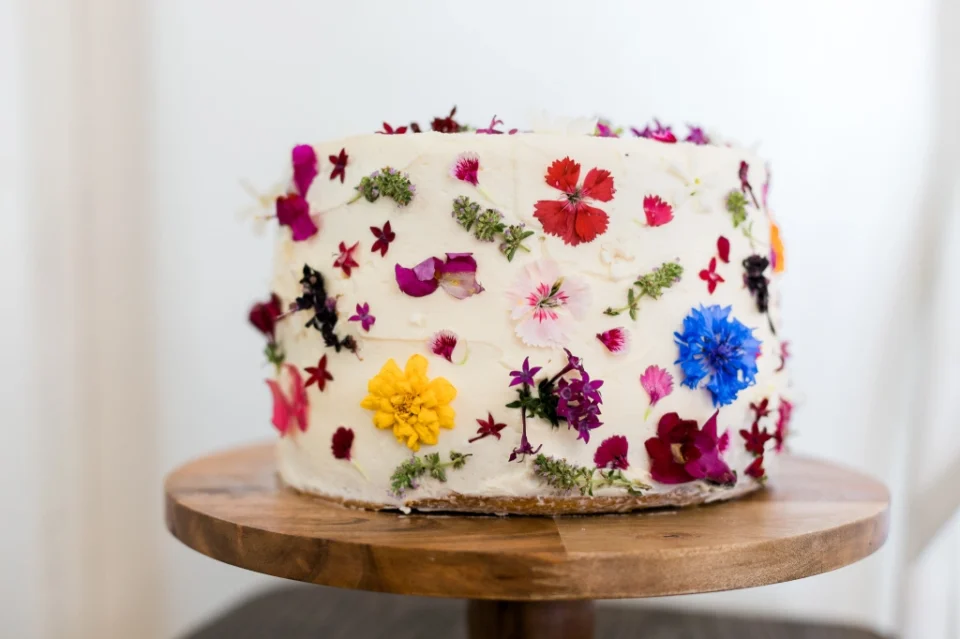
The Art of Choosing the Right Edible Flowers for Your Cake
Choosing the right edible flowers for your cake is an art that combines culinary creativity with a knowledge of botany. Edible flowers not only enhance the visual appeal of a cake but can significantly influence its flavor and overall experience. To make the best selection, one must consider several factors including seasonal availability, flavor profiles, and aesthetic harmony.
Seasonal Selections: When to Find the Best Edible Blooms
Understanding the seasonal availability of edible flowers is essential for the home baker who wants to incorporate these blooms into their cakes. Much like fruits and vegetables, certain flowers are at their peak during specific times of the year. Spring blooms such as violets and pansies are perfect for bright pastel cakes, while summer offerings such as nasturtiums and sunflowers can provide vibrant hues and a peppery bite. Autumn can introduce flavors like chrysanthemum, which adds a more earthy tone to baked goods. Knowledge of local growing seasons or sourcing from farmers’ markets not only ensures freshness but also supports local agriculture. Moreover, while grocery stores might have a selection of year-round flowers, they often lack the nuanced flavor profiles that come from flowers grown in their natural seasons. Thus, a little research goes a long way in understanding when to find and use each flower for maximum flavor and aesthetic potential.
Flavor Profiles: How Flower Choices Impact Your Cake’s Taste
Different edible flowers possess distinct flavor profiles which can enhance your cake in unexpected ways. For example, edible roses can offer subtly sweet and fragrant notes, perfect for a romantic dessert, while lavender brings a floral yet herbal essence that works wonderfully in vanilla or lemon cakes. On the other hand, nasturtiums bring a peppery kick that is reminiscent of arugula, making them ideal for contrasting sweet elements in your pastry. It’s crucial to think critically about how these flavors will interact with the other ingredients in your cake. A well-balanced cake skillfully combines flavors without any single element overpowering another. Experimenting with various flowers can lead to exciting discoveries, transforming a simple cake recipe into an extraordinary culinary masterpiece.
Aesthetic Appeal: Creating Visual Harmony with Edible Flowers
The visual appeal of a cake, enhanced by edible flowers, is often what captivates guests before they even take a bite. Flowers can be used to echo the colors and textures found in other cake elements, creating a cohesive design. For example, complementing a chocolate cake with orange marigolds can yield an earthy yet vibrant aesthetic, while a vanilla cake adorned with delicate white daisies can evoke purity and elegance. Layering flowers can also create depth in presentation; taller blooms can add height, while smaller flowers can serve as accents. Additionally, considering the shape and arrangement of flowers when decorating can lead to innovative designs, transcending standard cake aesthetics. Through thoughtful planning and creativity, bakers can use flowers to tell a story or convey a theme, making each cake a unique work of art.
Mastering the Techniques: How to Incorporate Edible Flowers into Your Baking
Once you’ve chosen the perfect flowers for your cake, the next step involves mastering the techniques to seamlessly incorporate them into your baking. The manner of introduction impacts not just the visual output, but also the flavor profile and texture of your cake. A thoughtful approach to their use can elevate your creations exponentially.
Top Methods: Infusing Flavor with Edible Petals and Syrups
One effective method for incorporating flavor is by making floral-infused syrups or oils. This process often involves steeping fresh edible petals in sugar syrup or extraction in oils, which can then be used in the cake batter or as a soak to moisten the cake. For instance, a lavender simple syrup can amplify the floral profile of a vanilla buttercream, while a hibiscus syrup can provide tartness and a zesty counterpart to sweet vanilla or chocolate cakes. The resulting syrup can either be brushed onto individual cake layers before stacking or incorporated directly into batters for an overall infusion. The use of colorful floral syrups can also add a visual component that enhances the appearance of your cake, showcasing the beauty of nature in each bite.
Decoration 101: Techniques for An Elegant Floral Presentation
Decoration using edible flowers also requires finesse to achieve an elegant presentation without overwhelming the cake. One popular technique is to create a flower crown effect around the top edge of the cake. Care should be taken in selecting flowers of varying heights to achieve a dynamic yet harmonious look. Additionally, flowers can be strategically placed on each individual slice for a finished look that surprises with each cut. Ensure flowers are thoroughly cleaned and trimmed to fit, and consider using edible glitter or luster dust to highlight the petals and enhance visual appeal. An elegant presentation not only entices the eyes but also preps guests for the journey their taste buds are about to embark on.
Cake Construction: Layering with Blossoms for Textural Interest
Layering is another technique where edible flowers can shine, both texturally and visually. Incorporating flowers between the layers of cake can create a delightful surprise and contrast in textures. For example, lavender-infused buttercream can be layered with fresh raspberries and edible violet petals in between vanilla sponge cake layers. This technique not only plays into the visual aspects but also heightens the flavor experience with each bite, showcasing different elements. Additionally, edible flowers can be blended into whipped frostings or ganaches, providing bursts of flavor and unexpected textures. Strategically using flowers throughout the layers adds depth and complexity to your cake, turning a simple dessert into a multi-layered experience.
Debunking Myths: The Truth About Edible Flowers
As with any culinary experience, misinformation can cloud the understanding of edible flowers. Understanding the truths behind these myths — whether related to safety, identification, or allergens — is crucial for both health and enjoyment.
Safety First: What You Need to Know Before You Bite
Not all flowers are created equal, and while some may be beautiful, many are not safe for consumption. It’s pivotal to only use flowers that are explicitly labeled as edible. This means sourcing from trustworthy suppliers or growing your own, ensuring they have not been treated with harmful pesticides or chemicals. Moreover, flowers from florists or nursery centers may not be suitable for culinary applications. Wash the flowers thoroughly to remove any potential contaminants and remove the pistils and stamens, which can cause a bitter taste. By taking these precautions, you can enjoy the beauty of edible flowers without compromising your health.
Nature’s Palette: The Difference Between Edible and Non-Edible Flowers
Many flowers are stunning yet pose severe health risks if ingested, such as belladonna or foxglove, which are not edible and can be toxic. The key difference between edible and non-edible varieties often lies in cultivation and treatment methods. Edible flowers like chive blossoms, pansies, and calendula not only beautify your dishes but also serve various health benefits. Understanding these distinctions involves not only knowing the flower names but also researching their properties. There are extensive guides and resources available to identify which flowers are safe to consume, empowering bakers to explore their culinary creativity confidently.
Allergens and Interactions: Understanding Potential Risks
As with any food ingredient, flowers can pose risks for certain individuals. Allergies to pollen or specific types of flowers can manifest in a range of reactions, from mild irritation to severe responses. Moreover, some flowers may interact with medications, heightening sensitivity to sunlight or altering dietary restrictions. Therefore, it’s critical for bakers to inquire about allergies when serving dishes adorned with flowers. Engaging in transparent discussions with guests about the ingredients used in your cakes can foster a safer dining experience, allowing everyone to enjoy the culinary experience without apprehension.
Innovative Recipes Featuring Edible Flowers
With the knowledge of edible flowers established, it’s time to dive into innovative recipes that will inspire any baker to step outside the traditional bounds of cake making. Using these flowers, you can both create stunning visual compositions and amaze guests with unique flavor profiles.
Classic Confections: Traditional Recipes with a Floral Twist
Transforming classic recipes with edible flowers is a delightful entry point for those hesitant to diversify their baking habits. Consider a classic vanilla sponge cake, enriched with rosewater and garnished with candied rose petals. The fragrant notes of rosewater coupled with the natural sweetness of the petals can turn a simple recipe into an exotic experience. Similarly, transforming a chocolate cake with a hint of lavender can elevate its richness while providing subtle floral notes. Infusion mechanisms – such as floral syrups or flavored creams – lend themselves perfectly to integrating edible flowers in traditional recipes, making them both familiar yet fresh.
Modern Creations: Creative Combinations for the Adventurous Baker
For adventurous bakers looking to experiment, blending unusual combinations can result in remarkable outcomes. A raspberry lemon cake infused with mint leaves, with a topping of edible pansies, is an excellent example of freshness and color. Conversely, try a lemon thyme cake adorned with borage flowers, which possess a gentle cucumber flavor, providing an unexpected twist that harmonizes beautifully with the citrus. Pairing flowers with unexpected flavors can not only challenge conventional taste boundaries but also create an avant-garde dessert that sparks conversation around the table.
Floral Infusions: Baking Ideas Beyond the Cake
Edible flowers extend beyond cakes, finding their way into a myriad of baked goods. Consider making floral shortbread cookies infused with lavender or chamomile, which, when accompanied by a cup of tea, create a relaxing afternoon ambiance. Additionally, edible flowers can enhance muffins and quick breads, adding bursts of flavor and natural beauty. You might experiment with floral-infused frosting, creating cupcakes that charm both the palate and the eye. For a more adventurous idea, try your hand at a flower-infused bread, where segments of edible flowers are incorporated into the dough, visually displayed as the loaf rises. The blooming effect adds artistry to a once-simple baked item. The possibilities are endless, and with each recipe, bakers can continue to celebrate the beauty of nature, embracing the flavors that enhance their culinary creations.
In conclusion, the world of edible cake flowers is rich and expansive, providing opportunities to enhance both the aesthetic and flavor profiles of baked goods. By mastering the nuances of selection, techniques for incorporation, and understanding crucial safety considerations, bakers can create stunning, flavorful masterpieces that delight the senses. With innovation, creativity, and respect for the natural beauty that each flower offers, the art of baking with edible flowers will surely bloom.
FAQ
Question: What types of edible flowers are most popular for baking? – Popular edible flowers include roses, violets, pansies, nasturtiums, and lavender, each bringing unique flavors and visual appeal to baked goods.
Question: Can I use flowers from my garden in my baking? – Yes, you can use flowers from your garden, but ensure they are specifically labeled as edible and that they have not been treated with pesticides or chemicals.
Question: How do I know if a flower is edible? – To determine if a flower is edible, consult reputable guides or resources specializing in edible plants and ensure they are sourced from safe suppliers.
Question: Are there specific flowers to avoid using in cakes? – Yes, avoid flowers like foxglove, oleander, and belladonna, which are toxic and can pose serious health risks if ingested.
Question: Can children eat cakes decorated with edible flowers? – Generally, children can eat cakes with edible flowers, but it’s essential to check for potential allergies and ensure the flowers used are safe and suitable for consumption.
Question: How can I incorporate edible flowers into frostings? – You can incorporate edible flowers into frostings by infusing floral flavors into whipped creams or buttercreams or by adding finely chopped petals directly into the frosting mix.
Question: What is the best way to store leftover edible flowers? – Leftover edible flowers should be stored in a cool, dry place, ideally in the refrigerator, wrapped in damp paper towels to maintain their freshness for a few days.
Question: Can I dry edible flowers for later use in baking? – Yes, you can dry edible flowers, which allows you to use them later in baking or as decorative elements, but ensure they are dried properly to retain their flavor and color.
