
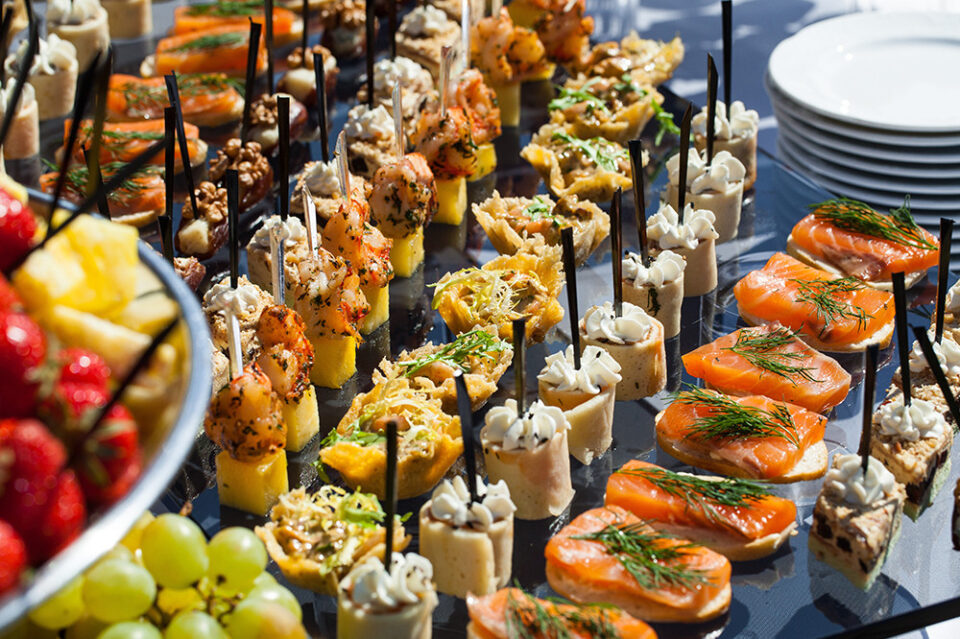
Catering is an art, a service, and, above all, a deeply personal experience. At its heart, it’s about more than simply preparing and delivering food—it’s about creating an experience, one that speaks to the senses, evokes emotions, and celebrates the occasion. Whether it’s an intimate dinner, a corporate gathering, or a lavish wedding, catering plays a pivotal role in the success of an event, often becoming the highlight that guests remember long after the event has passed. The intricacies of catering extend far beyond food preparation; it involves logistics, creativity, and an unspoken understanding of what makes an event truly special. In this article, we will explore the multi-faceted world of catering, examining its history, evolution, and the art of designing the perfect dining experience.
The Origins and Evolution of Catering
The concept of catering, as we know it today, has deep roots in history, with early examples tracing back to ancient civilizations. The word “catering” itself is derived from the French word caterer, which refers to one who provides food and drink. In medieval times, large feasts and banquets were often prepared for the wealthy and powerful, with cooks and attendants working tirelessly to ensure the success of these lavish gatherings. These early forms of catering were generally reserved for the elite, and the idea of providing food for large groups was often linked to both social status and the display of wealth.
The professional catering industry, however, began to take shape in the 19th century, largely in response to the social and industrial changes of the time. With the rise of hotels, restaurants, and public events, the demand for professional catering services grew. In the United States, the first caterers were often small-scale businesses that specialized in delivering food for weddings, parties, and other celebrations. By the 20th century, catering had evolved into a sophisticated business that catered to both private individuals and corporations. It was during this time that the catering industry began to diversify, with caterers offering everything from buffet-style services to plated meals, and more complex catering options for large-scale events.
Today, catering has become a global industry, with a wide range of services available to meet the diverse needs of clients. From corporate events and weddings to intimate dinner parties and lavish galas, caterers now offer a comprehensive array of options, each designed to create a unique and memorable dining experience.
The Role of a Caterer: More Than Just Food Preparation
At its core, catering is about providing a seamless and unforgettable experience. A professional caterer is not simply a food provider but a curator of an event’s atmosphere. The role of a caterer extends far beyond preparing and serving meals. It involves meticulous planning, creative input, and the ability to anticipate and meet the diverse needs of guests.
One of the primary aspects of catering is menu design. The caterer works closely with the client to craft a menu that reflects the theme or tone of the event while also accommodating any dietary restrictions or preferences. A skilled caterer can design a menu that is not only delicious but also visually appealing, elevating the entire event with dishes that delight the senses. The presentation of food is equally important as its taste, and a caterer’s expertise in plating and garnishing can turn even a simple dish into a work of art.
Furthermore, caterers must be adept at logistics. From sourcing ingredients to coordinating the delivery and setup of food, every detail must be carefully planned and executed. Timeliness is crucial, particularly when catering for large events where every minute counts. The caterer must ensure that the food arrives at the venue fresh, that it is served at the correct temperature, and that it is presented in a manner that meets the client’s expectations.
Catering also involves the management of service staff, including waiters, bartenders, and chefs. The ability to manage a team and ensure that service is efficient, polite, and professional is essential. The service staff must be trained not only in the practical aspects of food service but also in creating a positive and welcoming atmosphere for guests.
Types of Catering Services
Catering is not a one-size-fits-all service, and caterers offer a variety of service styles to suit different types of events. The choice of catering style depends on the client’s preferences, the nature of the event, and the desired dining experience. Here are some of the most common types of catering services:
-
Buffet Catering: Buffet catering is a popular choice for large events, such as weddings, corporate functions, and social gatherings. In a buffet setting, food is laid out on long tables, allowing guests to serve themselves. This style of catering is often more relaxed and informal, allowing guests to mingle while enjoying a variety of dishes. It offers flexibility and variety, as guests can choose their preferred dishes and portion sizes.
-
Plated Catering: Plated catering is a more formal style, where food is prepared in the kitchen and then plated and served directly to guests at their tables. This style is often chosen for elegant events, such as fine-dining weddings, gala dinners, and corporate events. Plated catering offers a more controlled and refined dining experience, allowing for careful portioning and presentation.
-
Family-Style Catering: Family-style catering is a middle ground between buffet and plated catering. In this style, large platters of food are brought to each table, and guests serve themselves from the platters. This style creates a communal and interactive dining experience, making it ideal for family gatherings, rehearsal dinners, or events that emphasize a warm, intimate atmosphere.
-
Food Stations: A more modern approach to catering, food stations feature different types of cuisine or dishes presented at individual stations throughout the event. Guests can visit the stations and select their food from a variety of options, such as carving stations, seafood bars, or dessert tables. Food stations provide an interactive and visually engaging experience, often used at casual or trendy events.
-
Cocktail Catering: Cocktail catering focuses on providing finger foods, small appetizers, and cocktails in a standing, informal environment. This style is common for cocktail parties, networking events, and corporate mixers, where guests may not be seated for long periods. The emphasis is on bite-sized, easily consumable foods that complement the flow of drinks and conversation.
The Importance of Customization and Creativity
One of the most compelling aspects of catering is its ability to be tailored to suit the unique needs and preferences of the client. In today’s diverse culinary landscape, catering is no longer limited to traditional menus. Many caterers are embracing the rise of food trends, such as plant-based diets, sustainable sourcing, and international flavors, to offer a wide range of customized options.
For instance, vegan and vegetarian catering has gained popularity, particularly as more people adopt plant-based lifestyles. Caterers who specialize in vegan cuisine create dishes that are not only flavorful but also inventive, offering plant-based alternatives to traditional meat dishes. Similarly, gluten-free and allergen-friendly catering has become increasingly common, as more individuals seek options that accommodate food sensitivities.
Creativity is also a defining feature of modern catering. Many caterers are pushing the boundaries of traditional food presentation, experimenting with molecular gastronomy, interactive food experiences, and visually stunning displays that captivate guests. For example, edible flowers, gold leaf, and intricate sugar sculptures are often used to elevate dishes, turning food into a sensory experience that extends beyond taste.
Conclusion: The Lasting Impact of Catering
Catering is not merely about providing sustenance; it is about creating an experience that resonates with the guests and enhances the overall atmosphere of an event. The best caterers understand that food is an integral part of the event’s success and that every detail, from the menu to the presentation, must be thoughtfully curated. Catering is a celebration of creativity, an expression of culture, and a testament to the power of food to bring people together. Whether it’s the elegance of a plated dinner or the casual charm of a buffet, catering plays a pivotal role in transforming any gathering into a memorable occasion, one bite at a time.
