
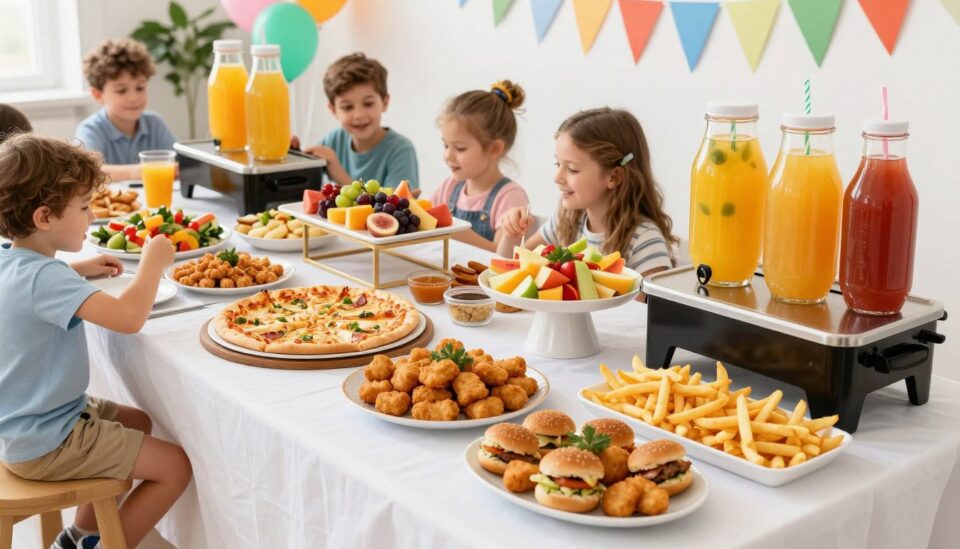
Planning a large family event, whether it is a wedding, an anniversary celebration, or a milestone birthday party, involves orchestrating dozens of moving parts. Among the most challenging tasks is designing a menu that satisfies a diverse group of attendees. Adult guests often look forward to sophisticated flavor profiles, refined presentations, and elegant pairings. Children, however, operate on entirely different culinary wavelengths. When faced with traditional event catering, young guests frequently reject unfamiliar ingredients, complicated textures, and overly formal presentations.
Historically, the standard solution to this dilemma was simple: relegate the children to a separate table stocked with highly processed, greasy, and nutritionally vacant staples. Trays of frozen chicken nuggets, deep-fried french fries, and high-fructose corn syrup beverages became the default children’s menu. While these options are undeniably convenient, they frequently lead to energy crashes, behavioral irritability, and frustrated parents who wish their children had access to real, wholesome food.
The modern approach to family event catering challenges this old standard. Today, forward-thinking hosts and culinary teams understand that children’s food can be both exceptionally healthy and incredibly fun. By focusing on interactive setups, familiar formats built with premium ingredients, and whimsical visual styling, you can create a kid-friendly catering menu that delights young palates while supporting their nutritional needs.
The Psychology of Kid-Friendly Food Presentation
Before selecting specific ingredients or building recipes, it is essential to understand why children react to food the way they do. Adults eat primarily with their eyes and their learned appreciation for balance and complexity. Children, conversely, evaluate food based on a profound evolutionary need for safety, predictability, and sensory engagement.
The Power of Familiar Formats
Children are naturally neo-phobic, meaning they possess an innate fear of new or unfamiliar foods. When a child sees a dish disguised in heavy sauces or complex garnishes, their immediate instinct is rejection. The secret to successful healthy catering is utilizing familiar formats like pizzas, sliders, tacos, and skewers, but subtly upgrading the quality of the components. A child who refuses a roasted vegetable medley will often happily consume those exact same vegetables if they are finely puréed into an artisanal tomato sauce spread across a whole-grain flatbread pizza.
Embracing Bite-Sized Architecture
Large portions can feel overwhelming to a small child. Food designed for young guests should be inherently manageable and easy to handle without utensils. Finger foods reduce the physical friction of eating, allowing kids to graze comfortably while remaining engaged in the social atmosphere of the family gathering. Furthermore, miniature versions of food naturally carry a high visual appeal that children find inherently charming.
Interactive Personalization
Children love autonomy. When a child is allowed to make choices regarding their food, they develop a sense of ownership over the meal, which drastically increases the likelihood that they will finish it. Interactive food stations allow kids to customize their plates within a framework carefully managed by the adults.
Designing Interactive Healthy Food Stations
Setting up dedicated, interactive culinary stations specifically tailored for children turns mealtime into an engaging activity rather than a chore. These stations can be customized to match the theme of the event while keeping nutrition at the forefront.
The Build-Your-Own Garden Taco Bar
Tacos are a universal favorite among children, making them an excellent vehicle for lean proteins and fresh vegetables. By setting up a lower, accessible counter station, kids can build their own customized creations.
-
The Foundations: Provide a choice between small, warm corn tortillas and crisp lettuce cups for children who prefer an extra crunch.
-
The Proteins: Offer seasoned ground turkey, grilled shredded chicken breast, or seasoned black beans rather than heavy, greasy beef variants.
-
The Nutrient-Dense Toppings: Stock the bar with finely shredded sharp cheddar cheese, diced ripe tomatoes, sweet corn kernels, mild guacamole, and low-fat plain Greek yogurt as a highly nutritious alternative to sour cream.
The Whimsical Fruit and Vegetable Skewer Station
Getting children to eat raw produce is often a matter of structural engineering. Transforming standard fruit salads and vegetable platters into colorful skewers completely changes how kids perceive them.
-
Fruit Wands: Utilize wooden skewers with blunted tips. Provide pre-cut chunks of watermelon, cantaloupe, strawberries, and pineapples. Children can slide the fruits onto the stick to create a rainbow wand. Offer a dipping sauce made from organic honey and vanilla-infused Greek yogurt.
-
Vegetable Swords: For the savory side, offer cherry tomatoes, cucumber discs, blanched broccoli florets, and mild cheddar cheese cubes. A mild, house-made avocado ranch or traditional chickpea hummus makes the perfect accompanying dip.
Reimagining Childhood Classics with Nutritious Upgrades
You do not need to banish classic comfort foods from your event to maintain a healthy standard. Instead, focus on intelligent substitutions that preserve the comforting, familiar flavor profiles while radically boosting the vitamin, mineral, and fiber content.
Baked Sweet Potato and Vegetable Sliders
Traditional beef sliders are often high in saturated fats and served on refined white flour buns that trigger rapid blood sugar spikes. You can elevate this classic option easily.
-
The Patty: Create a blend of lean ground chicken or turkey mixed with finely grated zucchini and carrots. The grated vegetables melt into the meat during cooking, keeping the patty incredibly moist while adding a hidden dose of vitamins.
-
The Bun: Utilize whole-grain slider buns or toasted sweet potato discs as a gluten-free alternative.
-
The Side: Swap out deep-fried white potatoes for baked sweet potato wedges tossed lightly in olive oil and sea salt. Sweet potatoes offer a lower glycemic index and provide an abundance of beta-carotene.
Elevated Macaroni and Cheese Bowls
Standard box macaroni relies on artificial colorings and processed cheese powders. A caterer can easily create a luxurious, healthy version that looks identical to the classic version but packs a heavy nutritional punch.
-
The Secret Sauce base: The foundation of the cheese sauce is built by steaming sweet potatoes, butternut squash, and cauliflower until soft, then blending them into a perfectly smooth purée.
-
The Cheese: Fold real, aged sharp cheddar cheese and a touch of nutmeg into the warm vegetable purée. The natural orange hue of the squash mimics the classic look children expect, while the cauliflower adds creaminess without the need for heavy cream or excess butter.
-
The Pasta: Use high-protein chickpea pasta or whole-wheat elbow macaroni to provide sustained energy release.
Intelligent Beverage Alternatives
The drink station is often where otherwise healthy event menus fall apart. Soda dispensers and commercial juice boxes pour massive amounts of refined sugars into young systems, resulting in hyperactive behavior followed by dramatic meltdowns.
-
Infused Spa Water Dispensers: Set up large, clear acrylic beverage dispensers filled with ice water and visually striking combinations of sliced strawberries, fresh mint leaves, cucumber wheels, or orange wedges. The subtle sweetness and beautiful colors draw kids in without adding any sugar.
-
Sparkling Fruit Fusions: Combine plain sparkling water or club soda with a small splash of 100 percent tart cherry, pomegranate, or white grape juice. Serve these drinks in fun, plastic cups garnished with a slice of fresh fruit on the rim so children feel like they are enjoying a special mocktail alongside the adults.
Frequently Asked Questions
How can caterers safely manage severe childhood food allergies at large family events?
Caterers manage allergies by maintaining strict ingredient isolation protocols in the kitchen and clearly labeling every item on the children’s buffet. Common allergens like peanuts, tree nuts, dairy, gluten, and eggs should be explicitly noted. For high-risk events, it is best to design the entire children’s menu to be naturally free from the top common allergens, ensuring every child can eat safely without feeling excluded.
What are the best ways to keep food warm and appetizing on a child-accessible buffet?
To ensure safety and quality, child-accessible stations should utilize low-profile chafing dishes with secure, lightweight lids that stay cool to the touch. Sterno flames must be well shielded behind protective barriers out of arms’ reach. Additionally, caterers should put out smaller batches of food more frequently rather than leaving large trays out for extended periods, preserving the texture of baked items.
How can we encourage children to try healthy options without causing a power struggle?
The most effective method is modeling behavior and avoiding overt pressure. When children see their older cousins, parents, or event performers enjoying the healthy food stations, curiosity naturally takes over. Keeping the tone relaxed and framing the healthy options as fun activities, rather than mandatory rules, removes the oppositional dynamic that often triggers picky eating behavior.
Are there specific healthy options that work best for toddlers compared to older children?
Toddlers require soft textures and very specific choking-hazard modifications. Grapes and cherry tomatoes must always be quartered lengthwise, and raw vegetables should be steamed slightly to soften their crunch. Older children prefer more autonomy and complex structural formats like building their own sliders or managing their own customized dipping cups.
Can healthy desserts be integrated into the children’s menu without disappointing them?
Yes. You can serve delicious desserts that cut down on refined sugar by relying on natural fruit sweetness. Examples include dark chocolate-dipped banana bites rolled in crushed freeze-dried raspberries, miniature fruit tarts featuring an almond flour crust, or house-made fruit popsicles crafted from pureed organic berries and coconut milk.
How early should the children’s food be served relative to the main adult meal?
Children should ideally be fed slightly ahead of the adults or immediately as the main reception begins. Hungry children quickly become restless and unhappy during long cocktail hours or protracted toast sequences. Serving the kid-friendly options early keeps them occupied, content, and quiet, allowing the adult guests to enjoy the formal elements of the evening with minimal disruption.
