
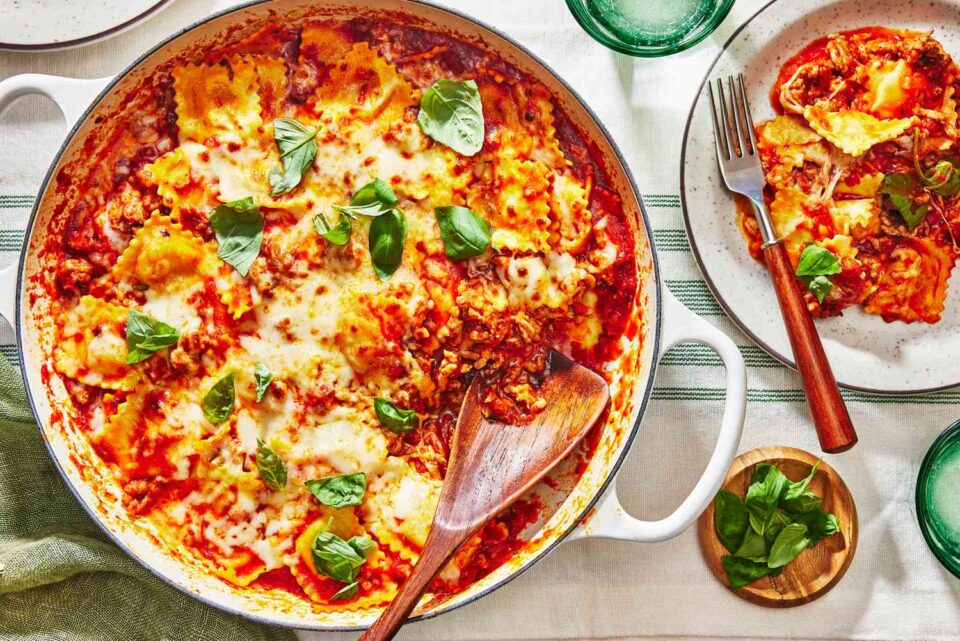
Recipes are more than just a set of instructions for preparing food; they are the blueprints of culinary traditions, the key to creating memories, and the foundation of a meal that connects us to the past, present, and future. The word “recipe” itself derives from the Latin “recipere,” meaning “to take or receive,” which is fitting considering that recipes serve as a way to receive knowledge and pass it on. Whether handed down through generations, shared across cultures, or newly created by innovative chefs, recipes represent the art of combining ingredients to create something extraordinary. This article delves into the essence of recipes, exploring their historical significance, role in modern kitchens, and their transformative power to bring people together.
The History and Evolution of Recipes
Recipes, in their earliest form, were passed down orally. Before written language existed, culinary knowledge was shared from one generation to the next through storytelling. Elders would teach their children and grandchildren how to prepare foods, not with measurements and precise instructions, but with verbal cues, like “a pinch of this,” or “cook until it looks right.” As societies evolved and developed written systems, recipes began to be documented.
The earliest known written recipes come from ancient Mesopotamia, where clay tablets dating back to around 1700 BCE contain instructions for preparing various foods. Ancient Egyptians, Greeks, and Romans also left behind written culinary records, although the recipes were often focused on grand feasts or the elite. The famous Roman cookbook “Apicius,” dating to the 4th or 5th century CE, provides insight into the luxurious dining habits of the wealthy, offering recipes for intricate sauces, meats, and delicacies.
In the Middle Ages, cookbooks began to take a more recognizable form, often written for noble households and monasteries. These early cookbooks, like the “Forme of Cury” in 14th-century England, were focused on providing detailed instructions for preparing elaborate dishes, many of which were intended for the upper classes. At this time, ingredients were often rare, and the emphasis was on spices, herbs, and techniques that required considerable skill.
With the advent of the printing press in the 15th century, cookbooks began to be mass-produced, allowing recipes to reach a wider audience. By the 18th century, as the culinary world began to democratize, cookbooks became more accessible to middle-class households. The 19th century marked the beginning of the modern recipe as we know it, with clearer instructions, standardized measurements, and an emphasis on practical, everyday cooking.
The Anatomy of a Recipe
While recipes may vary greatly in complexity and style, they all share common elements that help guide cooks in the kitchen. The structure of a recipe typically includes the following:
-
Title: The name of the dish, often reflecting its main ingredients or cooking method.
-
Ingredients List: A detailed list of everything required to make the dish. This section typically includes quantities, which may be given by weight, volume, or unit.
-
Instructions: Step-by-step guidance on how to prepare the dish. These steps may include cooking techniques, time estimates, and tips for achieving the best results.
-
Serving Suggestions: Recommendations on how to serve the dish, whether it’s as part of a larger meal, with a specific garnish, or paired with a certain beverage.
-
Notes or Variations: Often, a recipe will include notes on how to adapt it based on personal preference, dietary restrictions, or ingredient availability. This section may also offer tips for storage or preparation in advance.
The magic of a recipe lies in its ability to balance structure and creativity. While it offers the framework for creating a dish, it also provides the opportunity for innovation. A chef or home cook can follow a recipe to the letter or make their own modifications based on available ingredients, seasonal preferences, or personal taste. In many ways, recipes serve as both a guide and a canvas for creativity.
Recipes as Cultural Narratives
Each recipe tells a story—one of culture, heritage, and the people who have cherished it. Traditional recipes often carry the essence of the region from which they originate. Consider, for example, the myriad of pasta dishes that hail from Italy. Each region in Italy boasts its own unique pasta recipe, often with variations of sauces, meats, and seasonings that reflect the local culture and history. A Neapolitan pizza recipe, for instance, might evoke images of sun-drenched Italian summers and bustling street corners in Naples, while a rich French coq au vin recipe carries the flavors of the French countryside and the tradition of long, leisurely meals with family.
In many cultures, food is deeply intertwined with religion and ritual. Recipes for holiday meals often have centuries-old roots, passed down through generations as part of the fabric of family life. Jewish families, for example, often pass down recipes for challah bread or matzo ball soup that have been made for Passover or Shabbat for generations. Similarly, Thanksgiving in the United States wouldn’t be complete without recipes for turkey, cranberry sauce, and pumpkin pie, each representing a piece of the nation’s history.
Beyond specific cultures, recipes can also connect people to a shared history. For instance, recipes for dishes like jambalaya or gumbo tell the story of the fusion of African, French, Spanish, and Native American influences in Louisiana. These dishes, passed down and adapted over centuries, are more than just meals—they are symbols of resilience, adaptation, and cultural blending.
The Role of Recipes in the Modern Kitchen
In today’s fast-paced world, the role of recipes has evolved once again. While traditional recipes remain the cornerstone of home cooking, the modern cook has access to an unprecedented array of resources. The internet, for instance, has revolutionized the way we discover, share, and learn about recipes. Food blogs, YouTube channels, and social media platforms like Instagram have democratized cooking, allowing anyone with an internet connection to explore cuisines from around the world and experiment with new dishes.
The rise of meal kit services, such as Blue Apron and HelloFresh, has also changed the way recipes are approached. These services provide not only the ingredients but also step-by-step instructions that make cooking more accessible to busy people or those without extensive culinary experience. These recipes are often tailored to ensure ease of preparation and portion control, giving people the ability to cook gourmet meals at home without the need for advanced skills or specialty ingredients.
Furthermore, the modern cook is increasingly conscious of the ingredients they use, whether for health, ethical, or environmental reasons. Recipes today cater to a range of dietary preferences, from vegan and gluten-free to keto and paleo. There is a growing emphasis on seasonal, organic, and locally sourced ingredients, and many cooks now adapt traditional recipes to fit their lifestyles. A classic chicken noodle soup recipe may be transformed into a hearty vegan version using plant-based noodles and vegetable stock, or a traditional lasagna may be reimagined with gluten-free pasta and dairy alternatives.
Recipes as a Bridge Between People
At its heart, the act of sharing a recipe is about connection. Whether shared between family members, friends, or even strangers, recipes allow us to bond over the shared experience of cooking and eating. Food has always been a way to bring people together, whether through a dinner party, a family gathering, or a holiday feast. A recipe, passed down or newly discovered, becomes a part of the story we share with others.
As much as recipes tell the stories of individuals and cultures, they also create new stories. When a person tries a recipe for the first time, they are not just following steps—they are contributing to the ongoing legacy of that recipe. Perhaps they tweak an ingredient or adapt the method, adding their personal touch. When others enjoy that dish, the recipe is no longer just a set of instructions; it becomes part of their story as well. In this way, recipes have the power to build communities, create traditions, and forge lasting memories.
Conclusion: Recipes as Living, Evolving Documents
A recipe is not a rigid formula, but rather a living, evolving document that reflects the tastes, cultures, and personalities of those who create it. From its humble origins as an oral tradition to its modern-day incarnation as a tool for culinary exploration, the recipe remains central to the art of cooking. Recipes connect us to our past while inspiring new generations of cooks to explore the infinite possibilities of flavor, technique, and creativity.
Whether passed down through generations, found in the pages of a cookbook, or discovered through a blog or video, each recipe holds the potential to tell a story. It’s a narrative not only of the ingredients and instructions but of the people who create and share them. Through recipes, we continue to celebrate and innovate the craft of cooking, ensuring that the art of culinary storytelling remains as vibrant and exciting as ever.
