
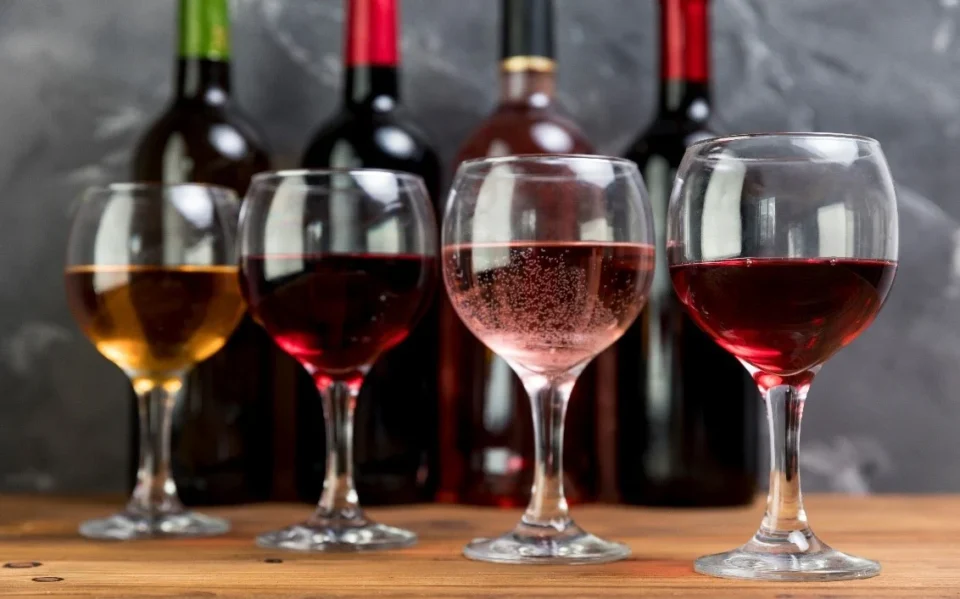
Wine has been a companion to human civilization for millennia, a beverage woven into the tapestry of history, culture, and ritual. From the ancient Egyptians to modern-day sommeliers, wine has played a vital role in human experiences, from celebrations and religious ceremonies to everyday moments of reflection. It is not merely a drink; it is a product of craftsmanship, a reflection of the earth’s bounty, and an embodiment of tradition. In this article, we will explore the fascinating world of wine—its origins, the artistry behind its production, the variety that defines it, and its cultural significance in today’s world.
The Origins and Evolution of Wine
The history of wine stretches back to around 6,000 years ago, when the first evidence of winemaking was found in what is now Georgia, a country in the Caucasus region. Archaeological findings suggest that ancient peoples were fermenting grapes to create wine, likely as part of religious rituals or social gatherings. The art of winemaking spread across the Mediterranean, with the ancient Egyptians, Greeks, and Romans all contributing to the evolution of the practice.
In ancient Egypt, wine was a luxury enjoyed primarily by the elite and used in religious ceremonies, particularly those dedicated to the gods. The Greeks and Romans further advanced winemaking techniques, creating wines of different styles and qualities. The Roman Empire, in particular, played a key role in spreading viticulture throughout Europe, introducing grape cultivation to regions that would later become some of the most renowned wine-producing areas in the world, such as France, Spain, and Italy.
By the Middle Ages, monasteries in Europe had become the custodians of winemaking, with monks dedicating their time to refining techniques and ensuring the continuation of the tradition. The French, in particular, developed a deep connection to wine, cultivating various grape varieties and establishing a legacy that endures today in the wine-producing regions of Bordeaux, Burgundy, and Champagne.
Wine continued to evolve through the centuries, with major developments in the 19th century—such as the advent of phylloxera-resistant rootstocks and the discovery of pasteurization—transforming wine production. In the 20th century, modern winemaking techniques combined with technological advances led to the global expansion of wine production, bringing fine wines to new regions and markets around the world.
The Art and Science of Winemaking
Winemaking is both an art and a science, requiring a delicate balance of tradition, innovation, and an in-depth understanding of the natural world. At the core of winemaking is the grape, a fruit that can express a vast array of flavors and textures depending on its variety, the climate in which it is grown, and the methods used in its cultivation and fermentation.
The process of creating wine begins in the vineyard, where the grapevines are carefully tended. The soil, climate, and altitude all play significant roles in the development of the grape’s characteristics. Terroir, a French term that refers to the environmental factors that influence the grape, is a key concept in the world of wine. Terroir encompasses not only the physical geography of the vineyard but also the climate, weather patterns, and even the human touch of the winemaker.
Once the grapes are harvested—usually by hand to ensure the best quality—winemakers begin the process of fermentation. In red wine, the fermentation occurs with the skins still in contact with the juice, which imparts the deep color and tannins that give the wine its structure. White wines, on the other hand, are often fermented without the skins to preserve the fresh, light characteristics of the fruit. The choice of fermentation vessels—such as stainless steel, oak barrels, or concrete eggs—can also significantly affect the flavor profile of the wine, adding complexity and nuance.
A critical phase in winemaking is aging. Some wines, particularly reds like Cabernet Sauvignon and Bordeaux, benefit from aging in oak barrels, which can impart additional flavors of vanilla, spice, and toast. Other wines, such as many whites and some lighter reds, are best enjoyed fresh and are often not aged for long. The aging process allows the wine to mature, smooth out tannins, and develop more intricate flavors.
The blending process, a key element in winemaking, involves combining different grape varieties or vintages to achieve the desired flavor profile. A winemaker’s skill lies in knowing how to blend these elements to create a wine that is balanced and harmonious. While some winemakers choose to bottle wines from a single grape variety or vineyard, others may create complex blends, as seen in wines like Bordeaux or Champagne.
The Varieties of Wine: A Symphony of Flavors
One of the most remarkable aspects of wine is its diversity. Wine comes in an array of styles and varieties, each with its unique characteristics. The grape variety used to produce wine plays a crucial role in determining its flavor, texture, and aroma. There are thousands of grape varieties grown worldwide, but several prominent ones are consistently featured in some of the most respected wines. Some of the most notable varieties include:
-
Cabernet Sauvignon: Known for its full body, deep color, and bold tannins, Cabernet Sauvignon is one of the most recognized red wine varieties. It is often aged in oak and has flavors ranging from dark fruit like black currant and plum to earthy, herbal notes.
-
Chardonnay: A white wine variety that is incredibly versatile, Chardonnay can range from crisp and citrusy to rich and buttery, depending on the climate and winemaking techniques used. It is often aged in oak, which can add a creamy texture and notes of vanilla or spice.
-
Pinot Noir: Known for its delicate nature, Pinot Noir is a red wine that offers lighter body and vibrant acidity. It has flavors of red fruit such as cherry, strawberry, and raspberry, often accompanied by earthy and floral aromas.
-
Sauvignon Blanc: A refreshing and aromatic white wine, Sauvignon Blanc is known for its zesty acidity and flavors of green apple, citrus, and sometimes grassy or herbaceous notes.
-
Syrah/Shiraz: This full-bodied red wine is known for its deep color, bold tannins, and rich flavors of blackberries, pepper, and smoky notes. In some regions, it is called Shiraz, particularly in Australia.
These are just a few examples, but within each grape variety, there is a vast range of flavor profiles that can be influenced by the region in which the grapes are grown, the vintage, and the winemaking methods used. This diversity is one of the most exciting aspects of wine, as every bottle tells a different story based on its unique origins and the craftsmanship behind it.
Wine and Its Cultural Significance
Wine is far more than just a beverage; it is a cultural symbol, deeply intertwined with human tradition, religion, and social life. In many ancient civilizations, wine was considered a gift from the gods. The Greeks and Romans associated wine with Bacchus (Dionysus in Greek mythology), the god of wine, fertility, and revelry. Throughout history, wine has been integral to religious rituals, such as the Christian tradition of using wine in the sacrament of Communion.
In addition to its spiritual significance, wine has always been a drink of celebration. Whether it’s a wedding, a holiday, or a simple dinner with friends, wine enhances the joy of communal experiences. It invites conversation, fosters connections, and adds an air of elegance and sophistication to any occasion. In modern culture, wine has become a symbol of refined taste, often enjoyed in restaurants, social gatherings, or intimate moments of relaxation.
In recent years, the popularity of wine education has soared, with wine tastings, sommeliers, and wine-pairing events becoming increasingly common. Wine enthusiasts now appreciate not only the quality of the wine but also its provenance, the expertise of the winemaker, and the ways in which it complements food. The rise of wine tourism has also allowed people to visit vineyards around the world, exploring the rich history of winemaking regions in countries like France, Italy, Spain, and Argentina.
Conclusion: Wine as an Enduring Experience
Wine is more than just a drink—it is an experience, a celebration of craftsmanship, culture, and history. From its ancient origins to its modern-day relevance, wine has remained a constant companion in human life, evolving with the times while maintaining a deep connection to the earth and the artistry of the winemaker. Every bottle tells a story, whether it’s the result of centuries of tradition or a cutting-edge innovation in winemaking. The joy of wine lies not only in the flavors it imparts but in the shared moments it creates—whether with friends, family, or alone with a glass in hand. To explore wine is to explore the world itself: rich, diverse, and ever-changing, yet timeless in its appeal.
